
Now that incandescent lightbulbs are pretty much a thing of the past, you must choose between LED (light-emitting diode), CFL (compact fluorescent), and halogen bulbs to light your home. But which is the best light bulb? It all depends on your needs. We’ll take you through the various kinds of lighting, the benefits that each offers, and help you find the best light bulb (or best smart lights) for you.
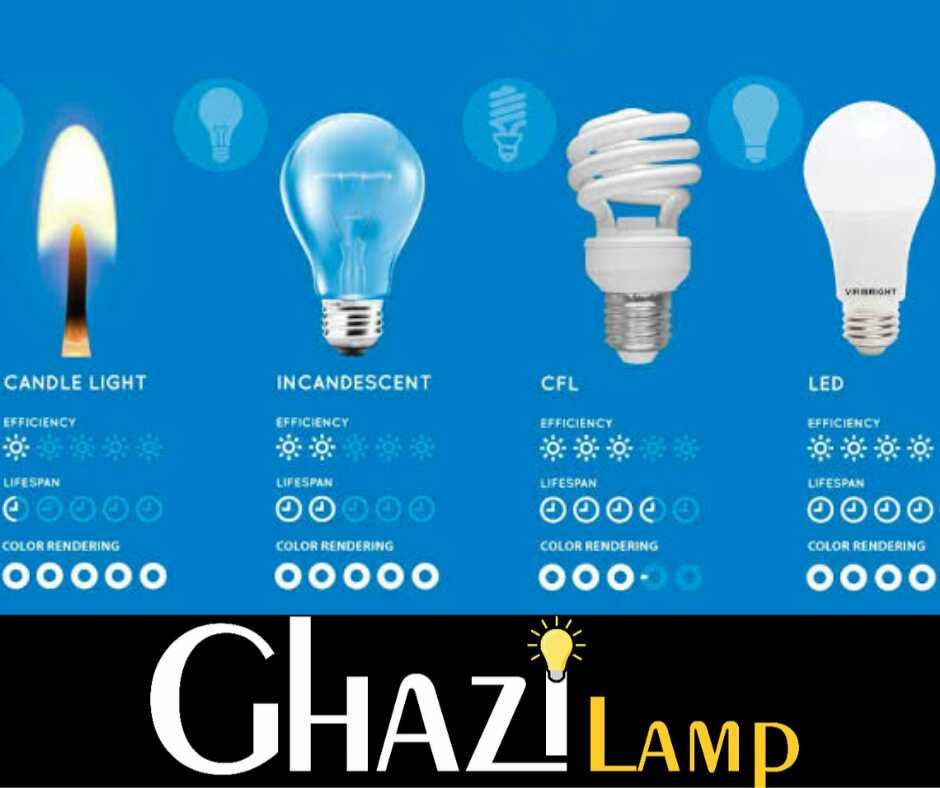
LED vs. incandescent bulbs
Traditional incandescent bulbs measured their brightness in watts; if you wanted a brighter bulb, you bought one with a higher wattage. However, with the advent of LEDs and other types of lighting, that yardstick has become meaningless, and as a result, a bulb’s brightness is now listed as lumens, which is a more accurate measurement of how bright it is, rather than how much energy it consumes. Below is a conversion table which shows how much energy, in watts, an incandescent bulb and an LED typically require to produce the same amount of light.
| Incandescent Bulb (Watts) | Lumens | LED Bulb (Watts) |
| 7 | 27 | 0.75 |
| 10 | 80 | 1.5 |
| 15 | 120 | 2-3 |
| 25 | 180 | 2-3 |
| 40 | 450 | 4-5 |
| 60 | 800 | 8-12 |
| 75 | 1100 | 12-15 |
| 100 | 1600 | 15-20 |
CFL and halogen bulbs
Other replacement lightbulb choices consume more power than LED bulbs and have shorter rated-lifespans, but cost much less upfront.
A 60-watt–equivalent CFL bulb from Philips, for example, consumes 13 watts and has a rated lifetime of 12,000 hours (or about 11 years) when lit for three hours a day, but retails for only $1.50-$2.50.
While technically a form of incandescent lighting, halogen bulbs are more efficient than traditional bulbs. Many companies sell “eco-Incandescent” bulbs which look like traditional lightbulbs, but use halogen elements. But they are still no match for LEDs. A 60-watt–equivalent halogen bulb from Philips consumes 43 watts and has a rated lifetime of 0.9 years. It also retails for under $5.00.
 Ghazi Lamp Gujrat